




















What Is Erectile Dysfunction (ED)?
Erectile dysfunction, sometimes called impotence, is the ongoing difficulty getting or keeping an erection firm enough for satisfying sexual activity. An occasional off night is completely normal and happens to nearly every man. ED refers instead to a consistent or recurring pattern over weeks or months. It is one of the most common men's health concerns in the world, and importantly, it is very often manageable.
ED at a Glance
- Also known as: impotence
- Who it affects: men of all ages, becoming more common after 40
- Main contributors: blood flow, hormones, stress and lifestyle
- Often linked to: heart health, diabetes, sleep quality and mood
- The good news: often addressed through lifestyle changes and/or professional medical care
How Common Is Erectile Dysfunction?
ED is far more widespread than most men realize. Research suggests that roughly 30 million men in the United States experience it, and the likelihood increases steadily with age. By some estimates, around half of men between 40 and 70 deal with it to some degree. If this is something you are facing, you are in very large, and very normal, company.
What Causes Erectile Dysfunction?
ED is usually the result of a combination of factors rather than a single cause. Because a firm erection depends heavily on healthy blood flow, anything that affects your circulation, hormones or nervous system can play a role. The main contributors generally fall into three groups:
Physical
Poor circulation, high blood pressure, high cholesterol, diabetes, excess weight and low testosterone.
Psychological
Stress, anxiety, depression, performance pressure and relationship tension.
Lifestyle
Smoking, excess alcohol, lack of exercise, poor sleep and chronic fatigue.
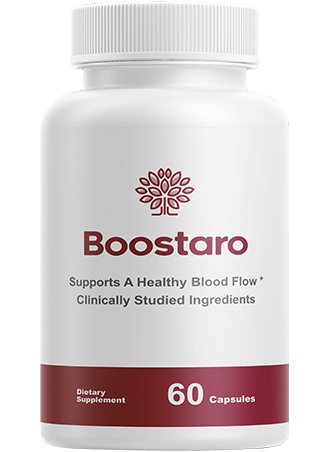
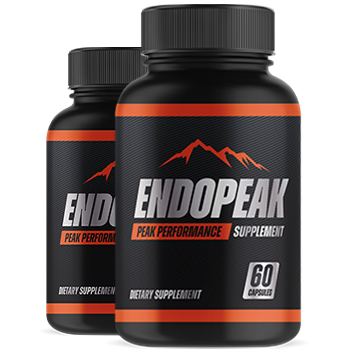
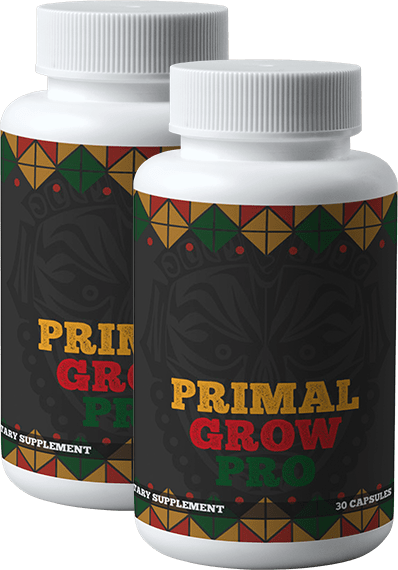
Because circulation sits at the center of so many of these factors, many of the most popular natural formulas, including those reviewed above, focus on supporting healthy blood flow and nitric oxide production.
Medications That May Contribute to ED
Some prescription medications can affect erectile function as a side effect. These can include certain blood pressure medications, antidepressants, antihistamines and others. This does not mean you should ever stop a prescribed medication on your own. If you suspect a medication may be contributing, talk to the doctor who prescribed it about possible alternatives.
The Link Between Stress, Depression and ED
The mind and body are deeply connected here. Stress, anxiety and depression can both trigger and worsen ED, and ED can in turn affect your mood, confidence and relationships, creating a frustrating cycle. This is why addressing mental and emotional wellbeing, alongside physical health, is so often part of the picture. Simply knowing how common and treatable ED is can sometimes relieve a great deal of the pressure.
How Is Erectile Dysfunction Diagnosed?
A healthcare provider will typically start with a conversation about your medical and sexual history, followed by a physical exam. They may order blood tests to check hormone levels, blood sugar and cholesterol, since ED can occasionally be an early signal of another condition. It is a routine, judgment-free process for them, and an honest conversation is the fastest path to the right solution for you.
Can Erectile Dysfunction Be Supported Naturally?
Many men prefer to begin with lifestyle changes and natural support as part of a broader wellness routine. Improving sleep, exercising regularly, eating well, reducing stress and supporting healthy circulation with a quality supplement can all contribute. Natural formulas work gradually by supporting your body's own processes, so consistency matters more than any quick fix.
When Should You See a Doctor?
If your symptoms are persistent, it is worth seeing a healthcare provider, both to rule out any underlying medical causes such as heart disease or diabetes, and to discuss the full range of options available to you. Natural wellness support and professional care are not mutually exclusive. The most important step is simply taking action rather than ignoring it.
This section is for general educational purposes only and is not medical advice. Always consult a qualified healthcare provider about your individual situation.